Transit Insurance Australia | Goods in Transit Cover for Road Freight
Brokers available Mon – Fri, 9:00am – 5:00pm Make a Claim  ·  hello@insuregroup.com.au
Insuregroup — specialist insurance brokers
Business Insurance
Property
Earthmoving Insurance
Vehicle Insurance
Finance
About
Claims
Contact
Get a Quote Call 1300 983 940
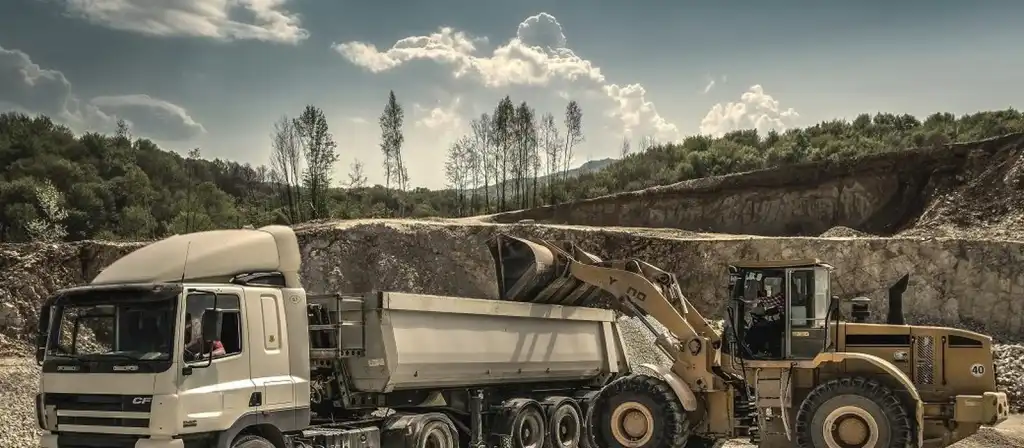
Wheel loader filling a tipper truck at a quarry
Transport & Logistics

Transit Insurance

Transit insurance covers goods against loss or damage while they are moved by road. Insuregroup arranges cover for businesses moving their own stock and equipment, and for transport operators carrying goods for others.

  • Licensed & Regulated Broker
  • Steadfast Group Member
  • 100+ insurance markets
2014
Broking Since
5,000+
Policies Arranged
100+
Insurance Markets
5.0
Google Rating (102)
  1. Home
  2. Transit Insurance

Transit Insurance for Goods Moved by Road

Transit insurance covers goods against loss or damage while they are being moved from one place to another. Insuregroup arranges road transit cover for Australian businesses that move their own stock, materials and equipment, and for transport operators who carry other people’s goods for hire.

The right policy depends on whose goods they are, what they are worth, how they travel and what your contracts say. A broker can help you work out which type of cover fits, and compare options across our network of insurers. For the trucks themselves, see our main truck insurance Australia page.

What to expect

Who Needs Transit Insurance?

Transit cover suits any business whose goods spend time on the road, whether on its own vehicles or with a carrier:

  • Businesses moving their own goods. Wholesalers, manufacturers, retailers and trades who deliver stock, materials or equipment in their own vans, utes or trucks.
  • Businesses using a carrier. If a freight company, courier or removalist moves your goods, their terms of carriage may limit or exclude their liability for loss or damage. Your own transit policy can fill that gap.
  • Transport operators carrying for hire. Owner-drivers, subcontractors and fleets carrying other people’s freight usually need carrier’s liability or goods in transit cover, often because a contract requires it.
  • Trades and contractors. Tools, materials and plant carried between yard and site are exposed every day. See also machinery and equipment insurance.
  • Couriers and last-mile delivery. Parcels and small freight carried in vans and utes. See our courier insurance page.

Types of Transit Cover

Annual Transit Policy

Covers every eligible transit during the policy year, up to a limit for any one vehicle or any one consignment. Suits businesses that move goods regularly. The insurer will usually ask for your estimated annual value of goods carried.

Single Transit Cover

Covers one nominated journey or consignment, such as a one-off move of machinery or a high-value delivery. Useful when the move falls outside your regular cover or exceeds its limit.

Owner’s Goods Cover

Covers your own goods while they are carried, either in your own vehicles or by a carrier you engage. The goods owner is the insured.

Carrier’s Liability Cover

Covers a transport operator’s legal liability for loss of or damage to goods it carries for others. What is covered depends on your contract terms and the policy wording, so the two need to line up.

Restricted Cover

Covers loss or damage caused by named events, typically fire, collision, overturning and theft of the whole load. Usually less expensive, with narrower protection.

Wider or Accidental Damage Cover

Covers loss or damage from a wider range of accidental causes, subject to the exclusions in the policy. Worth considering for fragile, high-value or easily damaged goods.

What to expect

Owner’s Goods vs Carrier’s Liability

This is the question that matters most, because the two covers protect different people.

  • If the goods are yours, an owner’s goods transit policy pays you for the loss, whoever was carrying them. You do not have to prove that the carrier was at fault or rely on the carrier’s own insurance.
  • If you carry other people’s goods, carrier’s liability cover responds to claims made against you by the goods owner. It is generally tied to your legal liability and your terms of carriage.
  • Some businesses need both. A business that delivers its own products and also carts for others, or a carrier that owns some of the goods it moves, should check that each load is covered by one policy or the other.
  • Read the contract. Head contractors and freight customers often set minimum cover, require them to be noted on the policy, or ask for a certificate of currency before you start.

Our article goods in transit insurance explained goes through the basics in more detail.

What to expect

What Transit Insurance Can Cover

Cover varies between policies and insurers. Depending on the wording you choose, a road transit policy may include:

  • Loss of or damage to goods caused by fire, collision or overturning of the carrying vehicle
  • Theft of the goods, often subject to conditions about locking and unattended vehicles
  • Accidental damage during the journey, under wider cover
  • Loading and unloading, where the policy extends to it
  • Goods in temporary storage during a transit, for a limited period
  • Debris removal and the cost of salvaging a damaged load, up to a sub-limit
  • Refrigeration breakdown for temperature-controlled goods, where added. See refrigerated truck insurance
Before you buy

Common Exclusions

Every policy has exclusions, and transit policies have a few that catch businesses out. Typical ones include:

  • Poor or inadequate packing, stowage or securing of the load
  • Gradual deterioration, wear and tear, or the natural nature of the goods (for example spoilage of perishables without refrigeration cover)
  • Loss caused by delay, even when the delay follows an insured event
  • Theft from an unattended or unlocked vehicle, where the policy sets security conditions
  • Certain goods unless declared, such as cash, jewellery, livestock, dangerous goods or high-theft items
  • Goods carried in a vehicle that is not declared, or outside the declared radius
  • Mechanical or electrical breakdown of the goods themselves

The policy wording and Product Disclosure Statement set out the full list. Ask us to walk you through the exclusions that apply to your goods.

What to expect

What Affects the Cost of Transit Cover

There is no set price for transit insurance. Insurers look at:

  • The goods. Type, value, fragility and how attractive they are to thieves.
  • The limit. The most you carry in one vehicle or one consignment, and your estimated annual value carried.
  • How the goods travel. Your own vehicles or third-party carriers, metro or long-distance, and whether loads are left in vehicles overnight.
  • Packing and securing. Pallets, crates, restraints and how loads are checked.
  • Claims history. Previous transit losses and what changed afterwards.
  • The excess. A higher excess usually lowers the premium.

For trucks, the vehicle policy and the transit policy are priced separately. Our guide on what drives truck insurance cost covers the vehicle side.

What to expect

Practical Steps That Help at Claim Time

  • Keep consignment notes, delivery dockets and invoices that show what was carried and its value
  • Photograph loads once secured, especially high-value or unusual items
  • Record the condition of goods on delivery and note any damage on the docket before signing
  • Report theft to police promptly and keep the report number
  • Tell your broker as soon as possible, and keep damaged goods until the insurer has had a chance to inspect them
What to expect

Transit Cover Alongside Your Other Policies

Transit insurance works best as part of a wider program. Transport businesses commonly pair it with:

If you are looking at a full package, see our transport insurance broker page.

Request a quote

Get a Transit Insurance Quote

Tell us what you move, how it travels and the most you carry at one time. A broker will compare options across our network of insurers and explain the differences in cover, so you can decide. You can also use our truck insurance quote form if you need the vehicles covered as well.

Thanks — your request is with us. A broker will call you back on the next business day. Need cover sooner? Call 1300 983 940.
This one is needed before we can quote.
Include as much detail as possible: YEAR, MAKE, MODEL, REGO (if available) and VALUE EXCLUDING GST for each item, plus the item TYPE, such as prime mover, crane, excavator, tipper truck or skip truck.Please describe the items you want insured, including each item's value excluding GST.
This one is needed before we can quote.
Street address, suburb, state and postcode.This one is needed before we can quote.
This one is needed before we can quote.
Max. file size: 128 MB.This one is needed before we can quote.
This one is needed before we can quote.

We reply on the next business day. Prefer to talk it through? Call 1300 983 940.

Plays from YouTube — nothing loads until you press play.
Stirling Sanderson, Principal Broker at Insuregroup
Your Broker

Stirling Sanderson, Principal Broker

Stirling set up Insuregroup in 2014 after many years as an insurance underwriter and broker. He oversees the day-to-day broking, negotiates with insurers for clients and helps with claims, for everyone from single-truck owner-drivers to large fleets of trucks and heavy plant.

Qualifications
Bachelor of Business, majoring in Insurance; Diploma of Financial Services (Australian Institute of Insurance and Finance)
Experience
Licensed authorised broker for over 10 years
Authorised Representative No.
453069

Read our story

Insuregroup have been very professional and prompt in dealing with the management of our insurances for the last 3 years.
Kerry — Director, civil construction company

Read all 102 Google reviews

Linehaul truck operating on an Australian highway
Questions We Get Asked

Frequently Asked Questions

What is transit insurance?

Transit insurance covers goods against loss or damage while they are being moved from one place to another, for example by truck, van or with a carrier. Cover can be arranged for a single journey or for all transits over a year.

Is transit insurance the same as goods in transit insurance?

Yes, the two terms are generally used for the same type of cover. What matters more is whether the policy covers your own goods or your liability for goods you carry for others.

What is the difference between transit insurance and carrier's liability?

An owner's goods transit policy pays the owner of the goods for loss or damage. Carrier's liability cover protects a transport operator against claims from the owners of goods it carries, and generally depends on the operator's legal liability and terms of carriage.

Does my truck insurance cover the goods I carry?

Usually not. A motor policy covers the truck and your liability for damage to other people's property, but the load is normally covered by a separate transit or carrier's liability policy or section.

If I use a freight company, do I still need transit insurance?

It is worth considering. Many carriers' terms of carriage limit or exclude their liability for loss or damage, so a claim against the carrier may not cover the full value of your goods.

Does transit insurance cover loading and unloading?

Some policies include loading and unloading, others do not, and some limit it. Check the policy wording, especially if you load heavy or fragile items.

What is usually excluded from transit insurance?

Common exclusions include inadequate packing or securing, gradual deterioration, loss caused by delay, theft from unattended vehicles where security conditions apply, and certain goods unless declared. The Product Disclosure Statement sets out the full list.

Next Step

Talk to a specialist broker

Tell us what you run and how you run it. We review the options across our insurer panel and come back with cover that fits — usually inside one business day.

Call Broker Get a Quote