
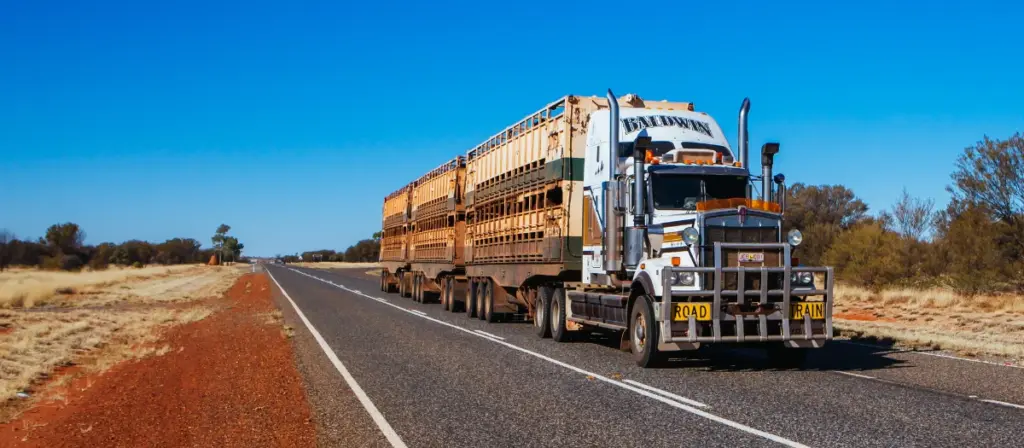
Anyone who’s operated in regional Australia for long enough knows that the cost of an incident isn’t always measured by the damage to the vehicle.
A relatively minor breakdown can quickly become more complex when it occurs far from support services, freight still needs to move and schedules leave little room for disruption.
That’s one of the reasons agricultural and rural transport presents a unique set of insurance considerations. These challenges can influence how risk develops and are worth considering when reviewing agricultural truck insurance.
Recovery Is Only Part of the Challenge
When a vehicle comes off the road, the focus is rarely limited to repairs. Freight still needs to move, equipment may need to be relocated and planned work doesn’t simply stop because a vehicle is unavailable.
In many cases, the disruption surrounding an incident can become just as significant as the damage itself, with additional costs arising from:
- Long-distance towing and recovery
- Freight transfer expenses
- Temporary vehicle replacement
- Driver accommodation and transport
- Delayed deliveries
- Extended downtime while waiting for repairs
Depending on the circumstances, the freight itself can add yet another layer of complexity.
When the Freight Can’t Wait
Whether it’s grain heading to storage, livestock in transit or time-sensitive agricultural inputs, delays can create challenges that extend well beyond vehicle damage. Contamination concerns, weather exposure, animal welfare requirements and alternative transport arrangements may all need to be considered, often within tight timeframes.
As a result, the overall impact of an incident may be influenced as much by the freight being carried as the damage to the vehicle.
_(Image: When downtime goes beyond the repair)_
The Added Pressures of Harvest
When you’re already coordinating tight harvest timeframes, having a vehicle or piece of equipment out of service can create immediate scheduling challenges.
Freight still needs to move, collection schedules still need to be met and replacement equipment isn’t always easy to source when demand is high across an entire region.
At the same time, many operators are working with limited spare capacity. Vehicles, drivers and equipment are already heavily utilised, making it more difficult to absorb unexpected disruptions without affecting planned movements.
During these periods, there is often very little margin for downtime. A delayed pickup or unavailable vehicle may not only disrupt transport schedules but also create flow-on effects across harvesting, storage and processing activities.
Not Every Incident Happens on the Road
While agricultural truck insurance is often associated with major collisions, many claims arise from the day-to-day activities that are simply part of the job.
Loading areas, livestock facilities, silos, storage sites and shared work zones can all create situations where restricted visibility, tight manoeuvring areas and mobile equipment increase the likelihood of incidents. While vehicle damage is often the most obvious outcome, these environments can also create exposures involving property damage, third-party liability and injuries to drivers, workers or visitors on site.
Many of these incidents may be relatively minor on their own. However, repair costs, downtime, liability claims and ongoing claims activity can accumulate over time, particularly where similar issues occur repeatedly.
Distance Has a Way of Magnifying Problems
In many settings, a tyre failure, mechanical issue or temporary road closure may not seem particularly significant in isolation.
In remote operations, however, there is often less flexibility when something goes wrong. Alternative routes may be limited, recovery distances can be substantial and access to repair facilities isn’t always immediate.
Additional challenges may also arise from:
- Flooding and changing road conditions
- Bushfire activity
- Long recovery distances
- Limited workshop availability
- Delays sourcing parts or specialist equipment
Under these circumstances, issues that appear relatively straightforward on paper can sometimes have far wider consequences.
_(Image: How distance magnifies problems with rural transport)_
Managing and Minimising Risk
Risk is an unavoidable part of agricultural and rural transport. The key is recognising how exposures can change as freight requirements, operating areas and seasonal demands evolve, and using that information to inform insurance decisions.
Reviewing claims history and recurring incidents can often reveal patterns that aren’t immediately obvious. For some operators, telematics, GPS tracking and dash cameras may provide additional insights into vehicle usage, helping identify potential issues before they contribute to future losses.
Understanding these exposures may also help explain how insurers view the business, why premiums differ between seemingly similar operators and how changes in risk profile may influence future insurance costs.
The Value of Working With a Broker
At Insuregroup, we understand that agricultural transport businesses often face a range of exposures that may not be immediately apparent when comparing insurance options on price alone.
By taking the time to understand your business, the freight you carry and the environments your vehicles operate in, we can assist in reviewing insurance options and assessing whether they align with your needs and the risks associated with your activities.
This can help provide reassurance that your insurance arrangements have been considered against the realities of your business – no matter how remote.
Faqs
What Affects Agricultural Truck Insurance Costs?
Insurance costs can be influenced by a range of factors, including vehicle type, operating areas, freight carried, claims history, driver experience and how vehicles are used. Factors such as remote operating locations, seasonal workloads and recovery considerations may also influence how risk is assessed by insurers.
Why Are Transport Claims Often More Expensive in Remote Areas?
The damage to the vehicle is often only one part of the overall loss. Recovery logistics, freight transfers, limited access to repair facilities and extended downtime can all contribute to the broader impact of an incident, particularly when vehicles are operating long distances from support services.
When Should I Review My Agricultural Truck Insurance?
Agricultural transport businesses can evolve over time through new contracts, different freight types, expanded operating areas or changes in vehicle usage. Regular reviews can help determine whether existing insurance arrangements continue to reflect the needs of your business and the risks associated with its activities.