
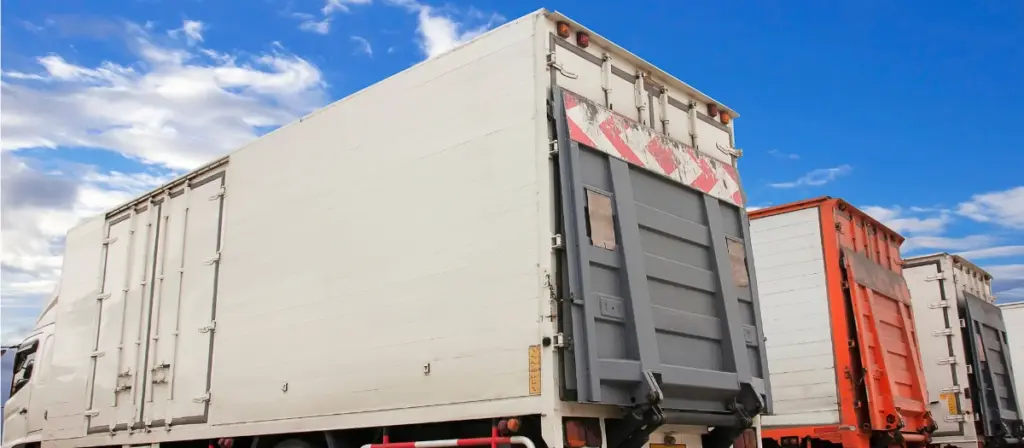
Very few trailers stay exactly the way they left the factory. That’s simply the nature of transport. As contracts change and businesses grow, trailers are modified to suit the work they do, often accumulating years of practical improvements along the way.
Those changes don’t just affect how the trailer operates. Depending on the insurer and policy selected, they may also affect the information that’s relevant when reviewing your truck and trailer insurance. Understanding when those conversations are worth having can help ensure your truck and trailer insurance continues to reflect the equipment you’re actually running.
IT Doesn’t Take Long for Things to Change
Transport businesses don’t usually replace an entire trailer just because the work changes. More often, they adapt what they already have, adding equipment that makes the job safer, faster or better suited to a particular customer.
Over several years, it’s not unusual for a trailer to accumulate things like:
- Custom storage and toolboxes
- Upgraded suspension
- Hydraulic ramps or tailgate loaders
- Work lights and electrical upgrades
- Refrigeration equipment
- Specialised restraint systems
Before long, what started as a fairly standard trailer has become a valuable piece of equipment that’s been shaped by years of practical improvements rather than its original factory specification.
Small Upgrades Can Add Up
Most trailer modifications aren’t major projects. They’re practical improvements that solve a problem, make loading quicker or help win a new contract. On their own they might not seem particularly significant, which is why it’s easy to think of them as routine workshop expenses rather than long-term investments.
Over time, though, those smaller upgrades can substantially increase what it would cost to replace the trailer. Equipment that’s been added gradually over several years often becomes so much a part of the trailer that it’s easy to forget it wasn’t always there.
That’s why significant modifications are worth mentioning during your next insurance review. Depending on the insurer and policy selected, updating those details gives your broker the opportunity to review whether your truck and trailer insurance still reflects the trailer as it exists today.
Not Everything Modification Is Treated the Same Way
In the workshop, once something’s bolted on, it’s easy to think of it as part of the trailer. Insurance doesn’t always look at it that way.
Depending on the insurer and policy selected, there can be a difference between equipment that’s permanently built into the trailer and equipment that can be removed, transferred between vehicles or used on its own. Insurers may also consider factors such as:
- Whether the equipment is permanently attached
- Whether it’s interchangeable between trailers or trucks
- Whether it has its own significant replacement value
- Whether it performs a separate function from the trailer itself
Those differences don’t necessarily mean the equipment can’t be insured, but they may influence how it’s declared or how it’s treated under the policy.
_(Image: Insurance considerations for trailers and attachments)_
Replacing IT Today Probably Costs More Than You Think
If you’ve ever had to replace specialised equipment, you’ll know it’s rarely as simple as making a phone call and ordering another trailer. Custom fabrication, imported components, workshop schedules and manufacturing lead times can all influence both the cost and the time involved in getting a replacement on the road.
If your trailer has gradually been modified, replacing it like-for-like may cost considerably more than the original purchase price. It’s another reason to discuss those modifications during your next insurance review and confirm whether their current replacement value has been taken into account under your policy arrangements.
_(Image: Replacement costs for custom attachments)_
Good Records Save a Lot of Guesswork Later
Most operators think about maintenance records and workshop invoices when an insurance claim comes around. What’s often overlooked is how useful those same records can be during an insurance review.
Keeping invoices, photographs and details of significant modifications gives you a clear history of how the trailer has changed over time. Whether that information lives in fleet management software or a folder in the office matters less than being able to find it when you need it. It can make reviewing replacement values and modifications much simpler than trying to piece everything together from memory.
As Your Business Changes, so Does Your Fleet
Every investment you make in your fleet is intended to help your business operate more efficiently, meet customer requirements or take on new opportunities. Taking the time to review your truck and trailer insurance as those investments accumulate provides an opportunity to discuss changes to your equipment before they’re put to the test by an insured event.
Insuregroup’s experienced transport insurance brokers can help you review your current arrangements, compare available truck and trailer insurance options and identify any changes to your fleet that may be relevant to your insurance. It’s a simple way to make sure years of investment in your trailers form part of the insurance conversation, rather than only becoming an issue after an insured event.
Faqs
Are All Trailer Modifications and Attachments Insurable?
Not always. This depends on the type of equipment, how it’s fitted, how it’s used and the insurer’s underwriting requirements. Many modifications and specialist attachments may be considered for cover, but some may require additional information or specific approval. Our experienced transport insurance brokers can help you understand what’s likely to be required before approaching insurers.
When Should I Review My Truck and Trailer Insurance?
It’s worth reviewing your insurance whenever your fleet changes in a meaningful way. That might include purchasing a new trailer, adding specialist equipment, completing significant modifications or taking on different types of work. Regular reviews give you the opportunity to discuss those changes before they’re put to the test by an insured event.
What Information Is Helpful When Reviewing a Custom Trailer?
The more information you can provide, the easier it is for our brokers to understand how the trailer has evolved over time. Invoices, photographs, modification records, replacement values and details of permanently fitted equipment can all help when reviewing your insurance arrangements and discussing any changes with insurers.