
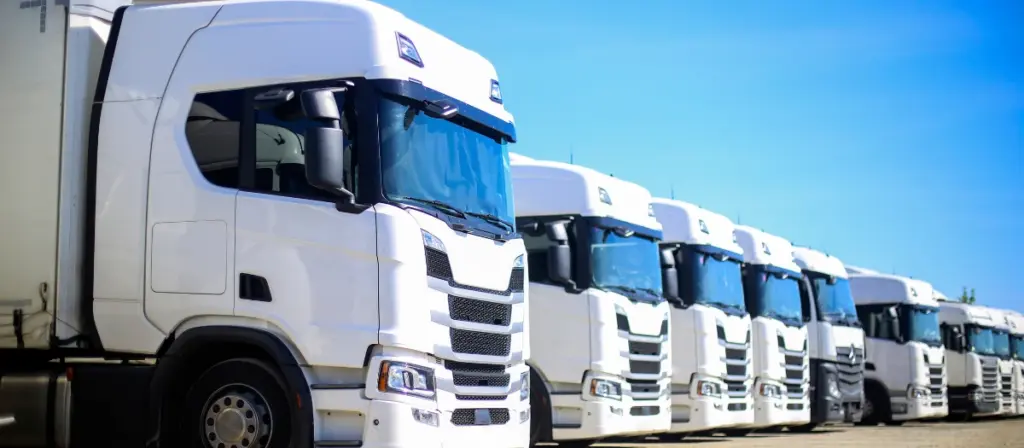
As transport businesses grow, insurance requirements can change alongside them. More vehicles, additional drivers, larger contracts and expanded service areas can all create new opportunities, but they can also introduce new risks and operational considerations.
While you may have arranged truck insurance when the business was first established, the operation you’re running today may look very different. Even relatively small changes can accumulate over time, potentially creating gaps between how the business operates and what your insurance arrangements were originally intended to cover.
That’s why periodically revisiting your insurance arrangements can be an important part of managing risk. If your transport business has expanded in recent years, here are seven signs it may be time to consider a fleet insurance review.
7 Signs It’s Time to Review Your Transport Insurance
1. Your Fleet Has Expanded
For many transport businesses, adding vehicles is one of the first visible signs of growth.
While a new truck may simply feel like another asset joining the fleet, growth often brings broader changes to the scale and complexity of the operation.
What worked when the fleet consisted of a handful of vehicles may not necessarily reflect the needs of a much larger operation. A fleet insurance review provides an opportunity to confirm fleet details remain accurate and determine whether existing policy structures still suit the business today.
2. You’re Operating in New Regions
Growth into regional, interstate or remote operations can create a different set of challenges compared to local transport work. Depending on where vehicles are operating, businesses may encounter factors such as:
- Increased kilometres travelled
- Greater exposure to wildlife collisions
- Longer towing and recovery distances
- Extended vehicle downtime following incidents
- Driver fatigue management considerations
If your vehicles are regularly travelling beyond their original operating areas, it may be worth confirming that your insurance cover accommodates those changes.
3. You’re Carrying Different Types of Freight
Not all freight presents the same level of risk, and the types of goods carried by a transport business often change over time. A fleet that once focused on general freight may gradually move into higher-value, specialised or time-sensitive cargo as new opportunities emerge.
While the vehicle itself may remain unchanged, the freight being transported can significantly influence the financial impact of an incident or loss, meaning changes to freight tasks shouldn’t be overlooked.
4. You’ve Hired More Drivers
As workloads increase and new contracts are secured, many transport businesses find themselves expanding their driver workforce. Different experience levels, licence classes and training requirements can all influence how a fleet is managed.
Many operators invest heavily in driver induction, safety procedures and ongoing training as their teams grow. As those changes occur, it’s worth ensuring insurance arrangements continue to reflect how vehicles are being operated across the business.
Even where no new vehicles have been added, a larger driver workforce can represent a significant operational change in its own right.
5. You’ve Won Larger Contracts
Securing larger transport contracts is often a sign that a business is moving in the right direction. However, bigger customers often have their own risk management and compliance requirements for transport providers.
In Australia, it’s not uncommon for commercial contracts to include minimum insurance requirements or require evidence of cover before work can commence.
Depending on the contract, this may involve providing evidence of:
- Public liability insurance
- Motor vehicle insurance
- Cargo or freight cover
- Subcontractor insurance requirements
- Current certificates of currency
Getting across these expectations early can make contract discussions and commencement requirements easier to navigate.
_(Image: Growth contract requirements)_
6. Your Vehicles Are Spending More Time on the Road
Not all fleet growth comes from adding more trucks or drivers.
Additional jobs, longer routes and increased freight volumes can result in existing vehicles covering significantly more kilometres than they once did. As utilisation increases, so too can exposure to everyday transport risks, including collisions, weather events, breakdowns and vehicle damage.
If vehicle usage today looks significantly different to a few years ago, it may be worth considering whether your current cover has kept pace with those changes.
7. Your Business Looks Very Different Than IT Did Two Years Ago
Sometimes the biggest sign that a review is needed isn’t one specific change but a combination of many smaller ones. While purchasing a new truck, securing a major contract or expanding into a new region are obvious milestones, some of the most significant shifts in a transport business can result from smaller operational changes over time, such as:
- Adding trailers or specialised equipment
- Expanding into new freight sectors
- Using subcontractors or owner-drivers
- Increasing annual turnover
- Operating across additional regions
- Offering new transport services
While each change may seem relatively minor on its own, together they can significantly alter how a transport business operates and the risks it faces.
_(Image: 7 signs it’s time to review your transport insurance)_
Growth Creates New Risks and New Insurance Considerations
For transport operators, growth is usually the result of years of hard work, strong customer relationships and consistent service delivery.
The challenge is that insurance requirements don’t always evolve at the same pace as the business itself. Over time, even well-managed operations can find themselves undertaking different work, operating in different environments or meeting different customer expectations than they once did.
That’s where having an experienced broker can be valuable. At Insuregroup, we work with you to understand how changing operations may influence your insurance requirements and help navigate the options available as your business continues to grow, ensuring insurance considerations aren’t left behind as everything else moves forward.
Faqs
When Should a Transport Company Review Its Insurance?
A transport business may wish to review its insurance whenever there are significant operational changes. Common triggers include adding vehicles, hiring more drivers, expanding into new regions, carrying different freight or securing larger contracts that introduce new insurance requirements.
Do I Need to Update My Insurance When I Add More Trucks?
Adding vehicles doesn’t automatically mean your insurance needs will change, but it can be a good opportunity to ensure fleet details remain accurate and that existing cover continues to align with the way the business operates.
What Should Be Included in a Fleet Insurance Review?
A fleet insurance review may involve discussing fleet size, driver numbers, operating regions, freight types, claims history and any changes to business activities that have occurred since the policy was originally arranged.