
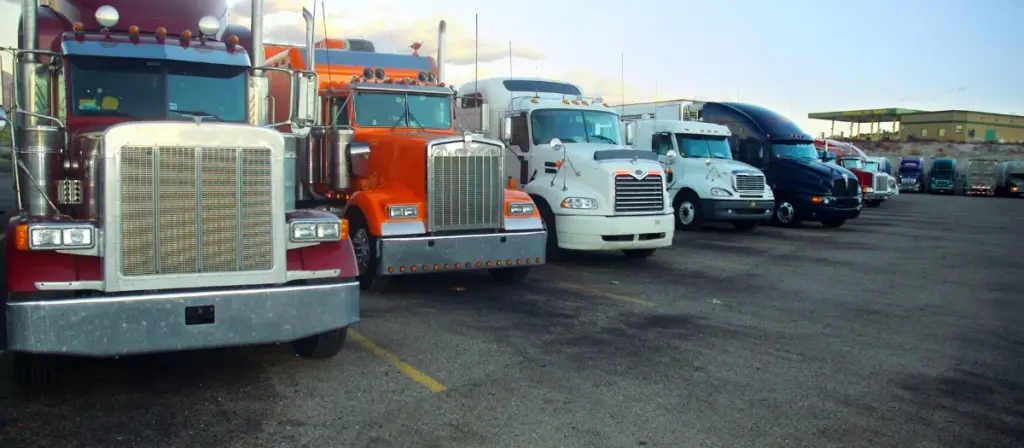
Every transport operator knows trucks don’t stay on the road forever. Breakdowns happen. Accidents happen. Parts get delayed. What isn’t always obvious is how quickly one truck off the road can start affecting everything else.
One missed run can quickly become several. Delivery schedules change, customers need updates and the rest of the fleet suddenly has to pick up the slack. Before long, the challenge isn’t just repairing the truck. It’s keeping the business moving while it’s out of action.
That’s why truck downtime is about more than getting a vehicle back on the road. Understanding those flow-on effects can help you make more informed decisions about your transport insurance.
One Truck Off the Road Rarely Stays Just One Problem
Most transport businesses don’t have spare trucks sitting in the yard waiting for work.
Whether you operate a single vehicle or manage a growing fleet, every truck is usually booked to do a job. When one unexpectedly comes off the road, it’s rarely as simple as waiting for the repairs to be finished.
The work still needs to be done. Loads may need to be reassigned, delivery schedules adjusted or subcontractors brought in to keep everything moving. If another truck is already committed elsewhere, finding capacity can quickly become another challenge altogether.
Before you know it, one truck off the road has created a ripple effect across the rest of the business, with schedules changing, work being reshuffled and new challenges to manage.
_(Image: The ripple effect of truck downtime)_
Keeping Customers Moving Can Come at a Cost
If you’ve spent years building trusted customer relationships, cancelling deliveries while you work out a contingency plan is usually the last thing you want to do. More often, the focus shifts to honouring your commitments, even if it costs more than expected.
That might mean bringing in subcontractors, paying overtime, hiring replacement equipment or reorganising work across the fleet. In many cases, the job still gets done, but the overall cost can look very different to what was originally budgeted.
For many operators, that’s simply part of protecting the relationships they’ve worked hard to build. Long-term customers value reliability, and maintaining that trust during an unexpected disruption is often worth the extra effort.
When a Breakdown Breaks the Budget
By the time the repair invoice arrives, you’ve often been dealing with the financial impact of the breakdown for days or even weeks.
The truck may not be generating income, but many of your regular business expenses continue regardless. Finance repayments, registration, insurance, wages and other overheads don’t simply stop because a vehicle is sitting in the workshop.
At the same time, keeping work moving can introduce additional costs that weren’t part of the original plan, such as:
- Overtime
- Subcontractor costs
- Equipment or replacement vehicle hire
If repairs take longer than expected, those ongoing and unexpected costs can continue building while the truck isn’t generating the income it normally would.
For owner-drivers, that pressure can be felt almost immediately. Larger fleets may have more flexibility, but even losing one vehicle during a busy period can reduce productivity and place additional strain on the rest of the business. It’s often only once the truck is back on the road that the full cost of the breakdown becomes apparent, with the repair bill representing just one part of the overall expense.
_(Image: Additional and running costs during truck downtime)_
Reducing the Impact of Unexpected Downtime
While no transport business can eliminate the risk of breakdowns or accidents, the right planning may help reduce the disruption when they occur.
That includes reviewing your insurance as the business grows. The policy that suited when you were running a couple of trucks locally may not be the same one that suits a larger fleet, longer routes or more complex contracts.
Depending on the insurer and policy selected, there may be benefits and optional covers available that can help reduce the operational and financial impact of an unexpected incident, such as:
- Hire or replacement vehicle benefits
- Rental reimbursement following an insured event
- Business interruption or financial loss cover where available
- Optional benefits that align with the way your business operates
Reviewing your insurance before something goes wrong gives you the opportunity to better understand what’s covered, identify any gaps and discuss the options available for your business.
Keep Your Business Moving
It’s easy for insurance to become something you set up and rarely think about again. If you’ve expanded your fleet, taken on larger contracts or simply haven’t reviewed your insurance in some time, Insuregroup’s experienced transport insurance brokers can help you review your current arrangements, compare available insurance options and explain the cover available for your business.
From arranging cover through to assisting with claims, our team works alongside transport businesses to help make the insurance process as straightforward as possible, so you can stay focused on keeping your business moving.
Faqs
Does Truck Insurance Cover Replacement or Hire Vehicles?
This depends on the insurer and the policy selected. Some truck insurance policies may include hire or replacement vehicle benefits following an insured event, while others may offer these as optional benefits. If minimising downtime is important to your business, it’s worth discussing the options available with your insurance broker before arranging or renewing your cover.
Does Truck Insurance Cover the Cargo I’m Carrying?
Not necessarily. Truck insurance and cargo insurance are generally separate types of cover and may respond to different risks. If your business transports goods owned by customers, it’s worth understanding how both the vehicle and the cargo are insured.
If a truck breaks down or is involved in an accident, the way cargo is covered will depend on the circumstances, the cause of the loss and the policy selected. Speaking with your broker can help you better understand the options available for your operation.
How Often Should I Review My Truck Insurance?
It’s generally worth reviewing your insurance whenever your business changes. That might include adding vehicles, taking on larger contracts, expanding into new operating areas or carrying different types of freight. Even if your business hasn’t changed significantly, a periodic review can help confirm your insurance continues to meet your needs.